Antonio de Souza Santos Consulting LLC is specialized in Science and Food Technology, Quality and Productivity.
The principal of the company is an industrial chemist and has an extensive experience in quality control. This includes quality control and development in agrochemical syntheses.
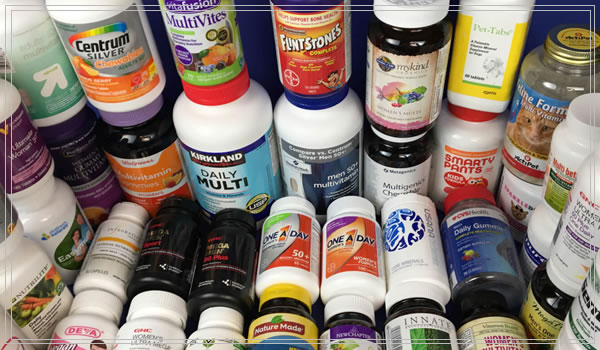
Since 1997, Mr. Santos has focused on the development of methods and analysis of nutritional supplements.
He worked in several countries in Latin America with activities of Quality Control, Quality Assurance, Product Development and Safety, Health & Environment (SHE), specifically on continuous improvement, innovation, and environment and waste management at food companies.
The company has expertise in productive technical knowledge, science of its interactions, degradations, stabilities, and microbiological / physical and chemical quality control of vitamins and minerals.
The biotechnology consulting field provides different services to many sectors surrounding the health and well-being of human beings. One of the major sectors where biotech interferes are the dietary supplements field and food safety.
Antonio de Souza Santos Consulting, LLC. has a comprehensive product portfolio focusing on dietary supplements and food safety.
The company possess extensive expertise
Formulation of vitamin supplements and its quality control mechanisms based on the adjustment of the chemical compositions of each mixture.
Quantitative determination of heavy metals from impurities in raw materials and especially in the microbiological control of handling products from mixing to final packaging.
The company offers the implementation and training of analytical techniques for quantification of Water-soluble and Fat-soluble vitamins via HPLC (High Performance Liquid Chromatography) with sustainability in mind via UPLC (Ultra Performance Liquid Chromatography) or UHPLC (Ultra High Performance Liquid Chromatography)
The company provides several training sessions to its clients and partners in different subjects related to food safety.
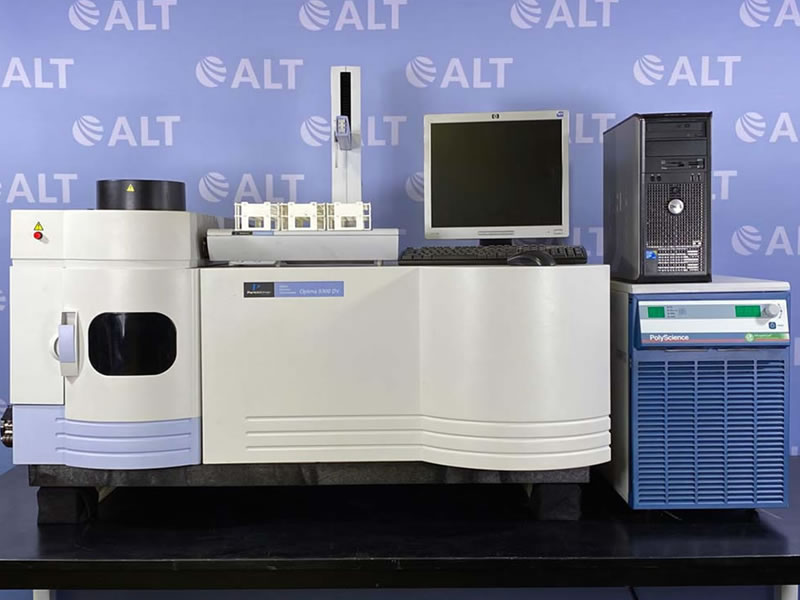
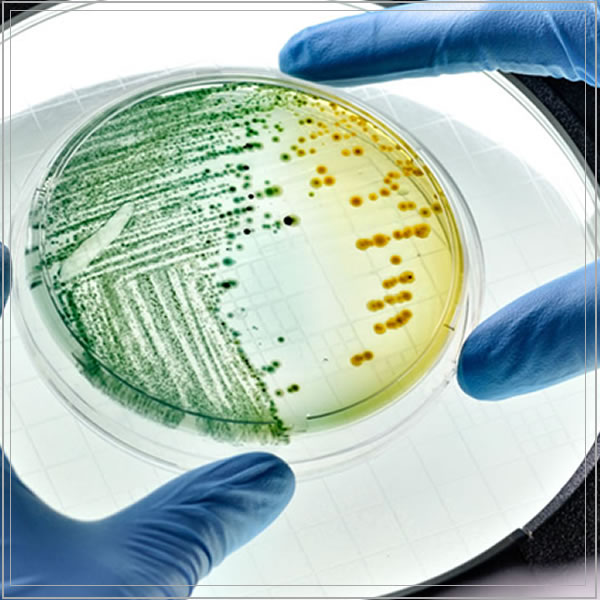
– Training and application of Analytical method validation that is an important regulatory requirement in pharmaceutical analysis. – High Performance Liquid Chromatography (HPLC/UHPLC) is commonly used as an analytical technique in developing and validating assay methods for drug products and drug substances HPLC/UHPLC SYSTEM – Control of minerals and heavy metals via ICP-MS (Inductively Coupled Plasma Mass Spectrometry). – PATHOGENS CONTROL Control of pathogens (viruses, parasites, bacteria).
scientific literature dealing with green analytical
Evolution of the scientific literature dealing with green analytical and chromatographic methods increased year after year due to the need to introduce new practice to comply with the principles of green chemistry for protection of analysts and the environment. This leads to the appearance of many searches for alternative techniques which have started to take a special importance recently aiming to reduce cost, time, complexity, extraction procedures, analyst exposure, energy, solvent, and waste production. One of the principles of the environment-friendly approach to solutions used in analytical chemistry is to ensure the universality and availability of instrumental analytical techniques. As far as pharmaceutical analysis is concerned, the rule Reduce-Replace-Recycle (3Rs) appears to be the most relevant. In chromatographic analysis for the pharmaceutical industry, the principle of replacing and recycling is the one towards which the majority of researchers are oriented at the moment.
GREEN ANALYTICAL CHEMISTRY Green Analytical chemistry may be defined in light of the 12 principles of green chemistry as a collaboration of efforts to develop more clean or eco-friendly technologies characterized by elimination or at least minimizing emissions of pollutants into the environment without compromising efficiency even at low concentrations of analyte in samples with a complex matrix composition.
ENVIRONMENT:
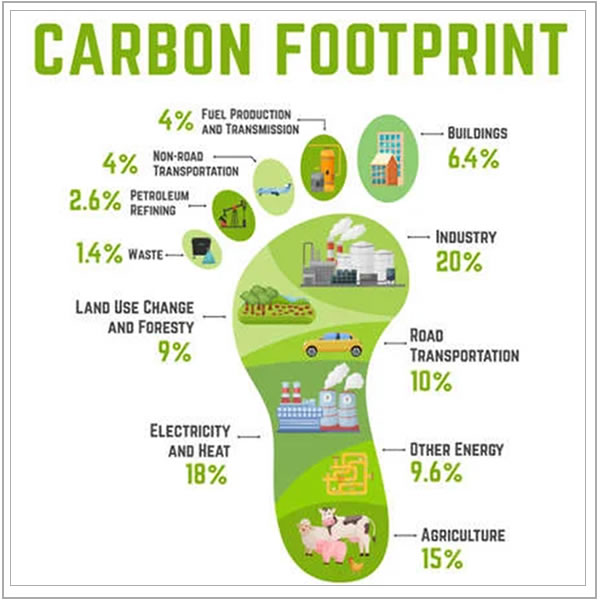
As we move into the future, decisions on food purchases will increasingly be influenced not only by price and quality, but also by social and environmental factors such as sustainability of technologies used for food production and processing and their environmental and health impacts. Growing consumer awareness about the impact of processing and production practices on the environment, the high energy consumption of certain processes, health impacts of the same technologies used in processing, and a heightened social and industrial consciousness to reduce the carbon-footprint are examples of factors influencing food choice. These factors have been made quite evident in the growing “buy local,”, “fair trade,” “certified organic,” trends. As a result, farmers and food manufacturers will increasingly be interested in identifying and using greener economically viable technologies for food production and processing.
According to the World Health Organization
According to the World Health Organization, Quality Control is a part of good manufacturing practices that is concerned with sampling, specifications, analytical testing, monitoring of all materials and environmental conditions in the factory and with releasing or rejecting materials for production use and finished products, using validated methods implemented by trained and experienced personnel.
QUALITY CONTROL Quality Control is an essential requirement in any business sector, but it is especially critical in the food industry. The goals of quality food are to ensure that food products are safe and fit for human consumption, meet the requirements of customers of regulations, and are consistently high in quality.